
Introduction
A solar array is only as good as the roof underneath it. If the decking is soft or the shingles are already curling, a solar purchase can turn into a roof-tear-off project as well.
Many homeowners struggle with the same set of questions: Can my roof actually handle this? Should I replace it first? Are solar shingles worth the extra cost over standard panels?
EnergySage's 2026 guide suggests weighing a roof replacement before solar if the roof is already 10-15 years old, since asphalt shingles and solar panels don't age at the same pace.
This guide walks through roof assessment, panel-versus-shingle decisions, compatible roofing materials, system design, installation and warranties, and the costs and incentives that tie it all together.
Key Takeaways
- Roof age, pitch, orientation, shade, and structural capacity all determine solar suitability — not just available square footage.
- Replacing a roof near the end of its life before solar installation avoids paying twice for removal and reinstallation.
- Rack-mounted panels are usually more flexible and economical; solar shingles suit homeowners already planning a roof replacement.
- Ask for a proposal that itemizes equipment, roofing work, permitting, incentives, warranties, and projected production separately.
How to Assess Whether Your Roof Is Ready for Solar
Before anyone talks about panel count, someone needs to climb up and look at the roof itself.
Signs Your Roof Needs Attention First
A roof inspection ahead of solar should flag:
- Active leaks or water stains on ceilings and in the attic
- Damaged or soft roof decking
- Curling, cracked, or missing shingles
- Flashing that's rusted, loose, or improperly sealed
- Moss, algae, or trapped moisture under shingles
- Sagging ridgelines or other signs of structural weakness
If several of these show up, fixing the roof first usually costs less than removing and reinstalling an array later.
Site Factors That Affect Solar Production
Beyond condition, a few site variables shape how much electricity your system will actually generate:
- Roof orientation (south-facing is typically strongest, though east/west can still work)
- Roof pitch and usable roof planes
- Shade from trees, chimneys, or neighboring structures
- Snow exposure and seasonal sun angles
- Obstructions like vents, skylights, or satellite mounts
What a Professional Assessment Covers
A proper evaluation goes beyond "how many panels fit." It should review:
- Roof loading capacity and attachment points
- Flashing details
- Your home's electrical service
- Local code requirements and utility interconnection rules
Assured Solar Energy, for example, uses LIDAR-based design software to map roof geometry and plan panel placement before a crew ever shows up. LIDAR modeling still doesn't replace an on-site structural and roof inspection. Both are needed before a final design is locked in.

Homeowner Checklist
Before your first consultation, gather:
- Recent electric bills (12 months, if available)
- Roof installation date and any repair history
- Known attic or structural concerns
- Plans for additions, renovations, or an EV purchase
- Photos of your roof, including any problem areas
Solar Panels Versus Solar Roofing: Which Option Fits the Property?
Conventional solar panels are photovoltaic modules mounted above the existing roof surface on racking. Solar roofing — shingles or tiles with built-in PV cells — replaces part of the roof covering itself rather than sitting on top of it.
| Factor | Conventional Panels | Solar Roofing (Shingles/Tiles) |
|---|---|---|
| Appearance | Visible, mounted on racking | Lower-profile, blends with roofline |
| Installation complexity | Moderate; works with most roof types | Higher; often tied to full roof replacement |
| Repairability | Individual panels can be swapped | Often requires specialized technicians |
| Cost | Lower per watt | Generally higher per watt |
| Sizing flexibility | Easy to resize or expand later | Less flexible once installed |
| Best fit | Roofs in good condition | New construction or planned roof replacement |
EnergySage's shingle comparison notes that integrated products tend to cost more and produce less per square foot than standard panels, largely because the shingle format sacrifices some efficiency for appearance.
When Conventional Panels Make Sense
If your roof is in solid shape, conventional panels are usually the more economical route. They're easier to remove for future roof work, simpler to size up or down, and backed by a much wider range of equipment options.
When Integrated Solar Roofing Is Worth Investigating
Solar shingles make more sense for new construction, a roof that's being replaced anyway, or homeowners who strongly prioritize a less visible system. Shingles still need proper weatherproofing, electrical integration, and a qualified installer. The roof has to be designed and built correctly underneath.
Battery Storage Is a Separate Decision
Whether you choose panels or shingles, battery storage is its own call. It can support backup power during outages and change how excess solar electricity gets used, but availability and value depend on your system design, local utility rules, and applicable incentives.
Roofing Materials That Work With Solar Panels
Most common roof types can support solar, but the attachment method, and sometimes the labor cost, changes with the material.
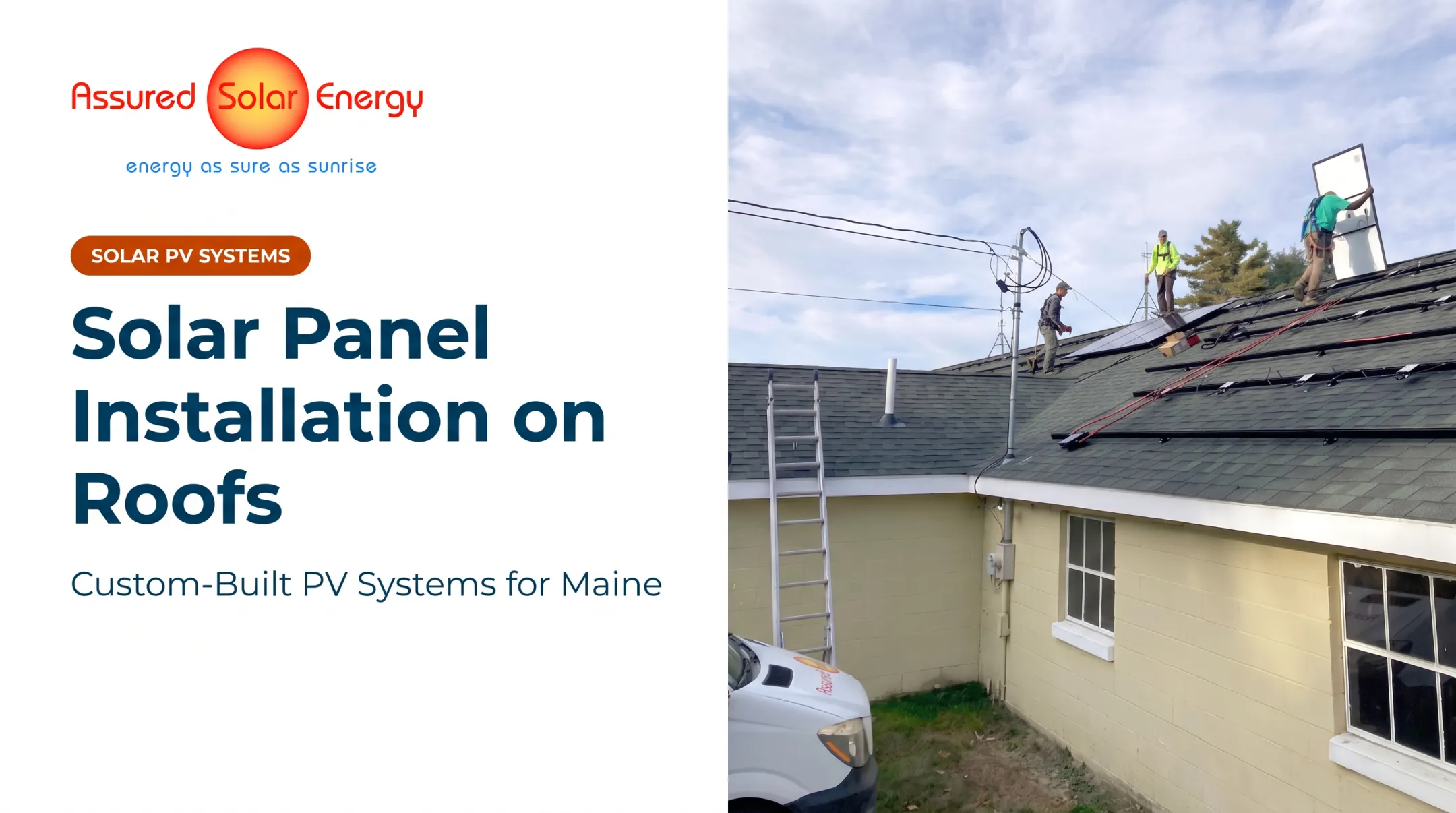
- Asphalt shingles: The most common substrate. Mounts typically use stud or bracket attachments with flashing sealed underneath to prevent leaks. Assured Solar Energy flashes every roof attachment specifically to meet roofing and building code requirements.
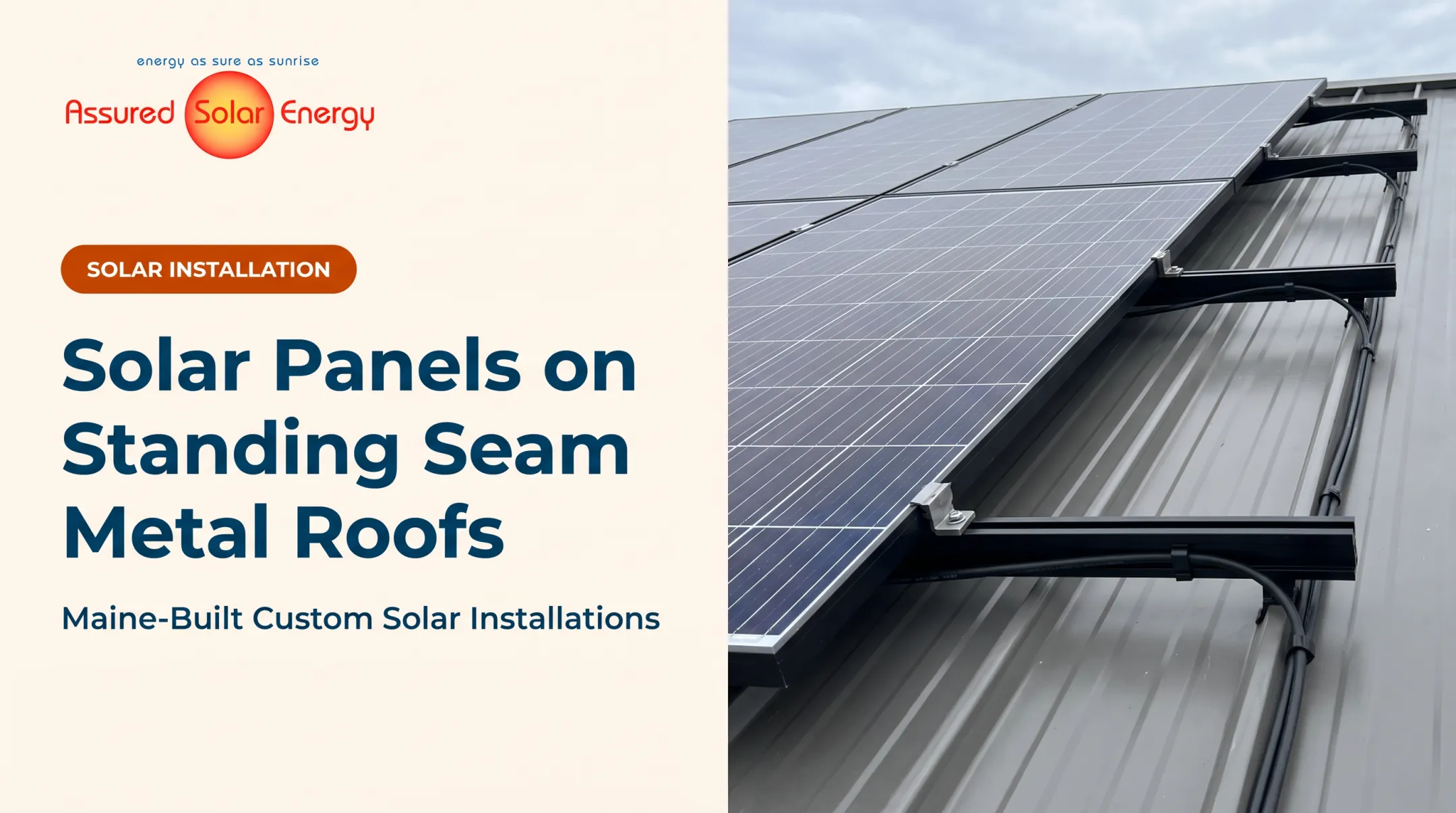
- Standing-seam metal: Some systems clamp directly onto the raised seams without drilling through the roof, though the installer still needs clamps compatible with that specific seam profile.
- Tile, slate, and specialty materials: Solar is often possible, but fragile tiles may need removal and replacement, and the work typically requires specialist labor and attention to fire-rating requirements.
- Low-slope or flat roofs: Racking usually tilts panels to the right angle, sometimes using ballast instead of penetrations, which raises separate questions about drainage, membrane protection, and wind loading.
Before signing anything, ask your installer how they'll protect the roof surface, maintain proper drainage, and who's responsible if roofing material needs repair or replacement: the roofer or the solar crew.
How Solar System Design Connects the Roof to Home Energy Use
Panel count shouldn't be driven by how much roof space you have. It should come from your electricity usage, local sun exposure, shading, desired grid offset, and whether storage is part of the plan.
The Core Components
- Inverter: Converts DC electricity from the panels into usable AC power
- Racking: Secures panels to the roof structure
- Monitoring: Tracks daily and monthly production
- Battery (optional): Stores excess generation for outages or later use
Production Varies by Season: Plan for It
Output shifts with daylight hours, cloud cover, snow, and temperature. One illustrative Maine production model estimated roughly 1,157 kWh in December versus 2,109 kWh in July, a meaningful swing that a single "average annual output" figure can hide. Don't assume a strong summer production number guarantees the same result in January.

Net Metering Rules Vary by Utility
Grid-tied systems rely on your utility's export-compensation rules, and those rules differ by state and even by utility territory. Some programs credit exported electricity at close to retail rates; others pay less. Always verify current terms with your utility before finalizing system size.
A Sample Sizing Approach (Illustrative Only)
A rough sizing method: take your annual kWh usage, divide by your installer's estimated production per kW for your roof and location, and that gives a starting system size.
For example, a home using roughly 11,000 kWh a year might pair with a system designed to produce a similar amount annually, though shade, orientation, and panel wattage all shift the final number. Treat any example figures as illustrative, not a substitute for a site-specific production estimate.
When You Need More Specialized Design
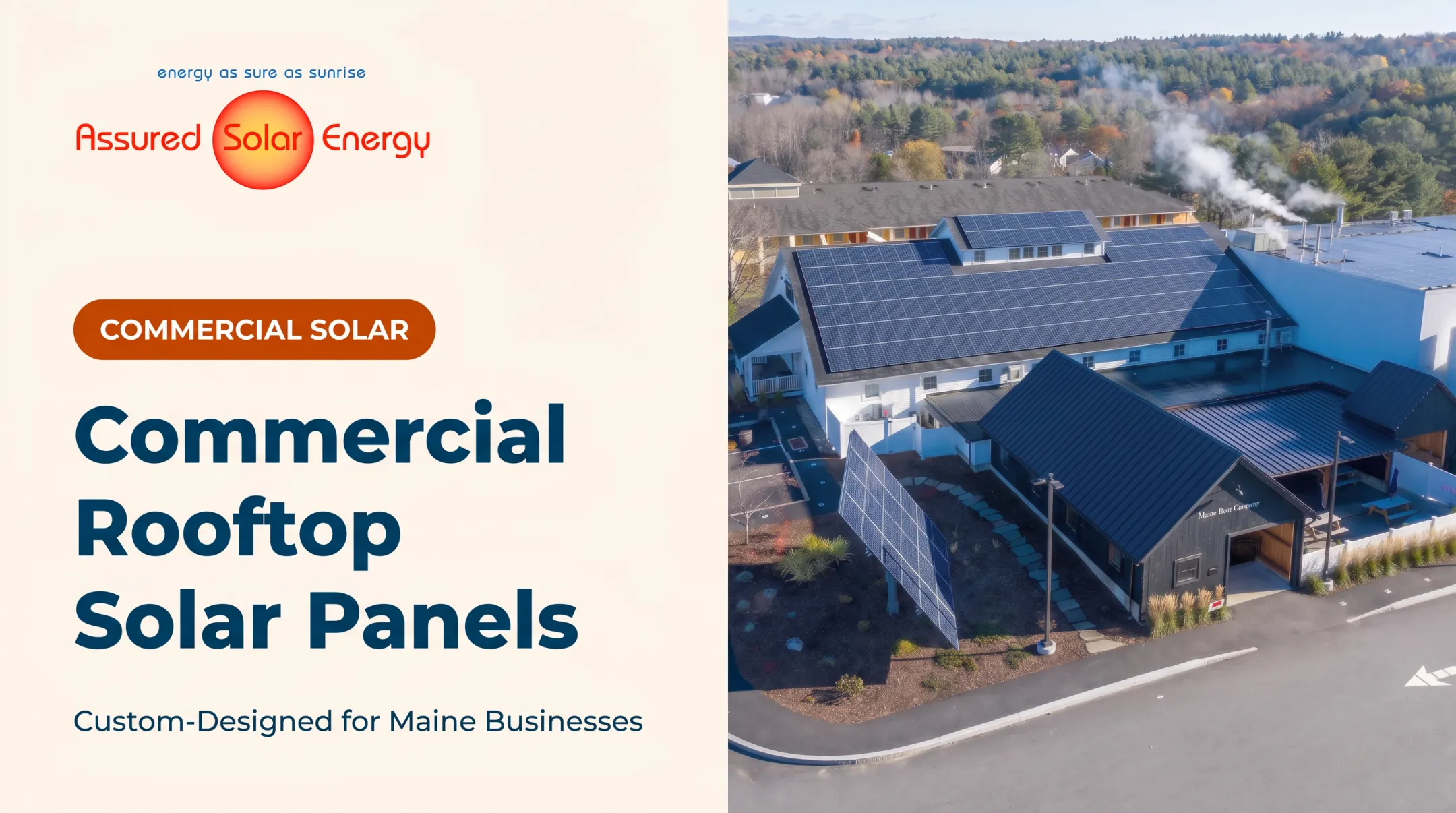
Off-grid camps, island properties, remote homes, commercial buildings, EV charging, and backup-power needs usually call for a more customized system. Assured Solar Energy, for instance, designs for grid-tied, off-grid, battery-backup, and remote-site projects across Maine, including island communities in Casco Bay, where grid access isn't always practical.
Installation, Maintenance, Warranties, and Choosing an Installer
The Typical Workflow
- Initial consultation to review energy usage and goals
- Roof and shade assessment, often using design software
- System design and proposal, outlining equipment and projected production
- Permitting and utility approval
- Roof preparation and mounting
- Electrical installation and inspection
- Activation and ongoing monitoring
What Maintenance Actually Looks Like
Solar systems aren't maintenance-free, but they're low-maintenance:
- Periodic visual inspections of panels and mounting hardware
- Monitoring production data for unexpected drops
- Checking the array after severe storms or heavy snow
- Managing tree growth that could create new shade
- Following roof-material-specific care instructions
Cleaning frequency depends on local conditions. A dusty, pollen-heavy site needs more attention than a rainy coastal one.
Questions to Ask Before Comparing Installers
- Do they carry proper licensing and insurance?
- Do they have direct experience with your specific roof type?
- Can they provide references from similar projects?
- Who handles permitting, and what's the expected timeline?
- What production assumptions back up their proposal?
Understanding Warranty Layers
Solar warranties come in several layers, and they don't all come from the same party:
| Warranty type | Typically covers | Who administers it |
|---|---|---|
| Equipment/product | Manufacturing defects | Panel/equipment manufacturer |
| Performance | Output degradation over time | Panel manufacturer |
| Workmanship | Installation quality | Installer |
| Roof | Roof material and leaks | Roofing contractor or installer |
Assured Solar Energy offers a stated 30-year equipment and labor warranty across its installations. As with any provider, confirm current terms, exclusions, transferability, and what's covered if panels need removal for future roof work.
Before signing, ask:
- How will roof penetrations be sealed?
- Who's responsible for roof repairs down the line?
- What production is actually guaranteed?
- Who owns ongoing monitoring?
- What happens if the utility delays interconnection approval?
Costs, Incentives, and Financial Considerations
What Should Appear in an Itemized Proposal
- Panels, inverters, and racking
- Electrical upgrades
- Roof repairs or replacement, if needed
- Labor and permitting
- Monitoring equipment
- Battery storage, if included
- Financing charges
- Future removal/reinstallation costs, if roof work is anticipated later
Why There's No Single National Price
Costs swing based on system size, roof complexity, material, local labor rates, electrical service upgrades, storage, and whether a roof replacement is bundled in. EnergySage's H1 2025 report put the national marketplace median at roughly $2.48 per watt — useful as a benchmark, not a quote.
Incentives: Know What Applies to You
The IRS confirms the 30% federal Residential Clean Energy Credit applied to qualifying installations placed in service through December 31, 2025, and isn't available for residential systems placed in service afterward. Commercial projects follow different rules; some currently qualify for a 30% federal Investment Tax Credit if construction begins before a set federal deadline and the project is placed in service by December 31, 2027.

Beyond federal credits, check:
- State and local rebate programs
- Utility-specific net metering or export-compensation rates
- Performance-based incentive programs where available
Incentive programs, deadlines, and eligibility rules change. Verify current details with official government or utility sources, and confirm tax treatment with a qualified tax professional before counting on any specific credit.
Evaluating Real Value
Don't lean on a quoted payback period alone. Weigh total installed cost against expected production, utility-rate assumptions, maintenance, financing terms, incentives, and how long you plan to own the home. Ask each installer you're comparing to use the same assumptions for roof work, production estimates, and financing; otherwise you're not really comparing apples to apples.
Frequently Asked Questions
How much do solar roofs cost?
Cost depends on whether you choose conventional panels or integrated solar shingles, system size, roof condition, electrical work, storage, labor, and available incentives. Request an itemized, project-specific quote rather than relying on a generic national figure.
Are solar roofs worth the money?
Value depends on roof longevity, your electricity usage, utility compensation rates, incentives, financing terms, and how long you'll own the property. A solid proposal should show its assumptions and projected savings clearly.
How many solar panels do I need for my roof?
Panel count depends on your annual electricity use, panel wattage, shade, orientation, pitch, and desired grid offset, not just roof size. Ask for a production model specific to your home rather than a rough square-footage estimate.
What type of solar panel is best for a roof?
The "best" panel depends on your roof and goals: monocrystalline panels typically run higher efficiency, while cost, appearance, and warranty terms vary by manufacturer. There's no single universal answer; it comes down to your specific project.
Why is my electricity bill so high when I have solar panels?
Possible causes include seasonal production dips, new shade or snow cover, increased household usage, utility rate changes, or export-credit rule shifts. Check your system's monitoring data first, then contact your installer or utility if numbers look off.
Do solar panels produce more electricity in summer or winter?
Most systems produce more in summer due to longer daylight hours, though cold temperatures can slightly boost panel efficiency. Winter shading, snow cover, and shorter days typically reduce total seasonal output.